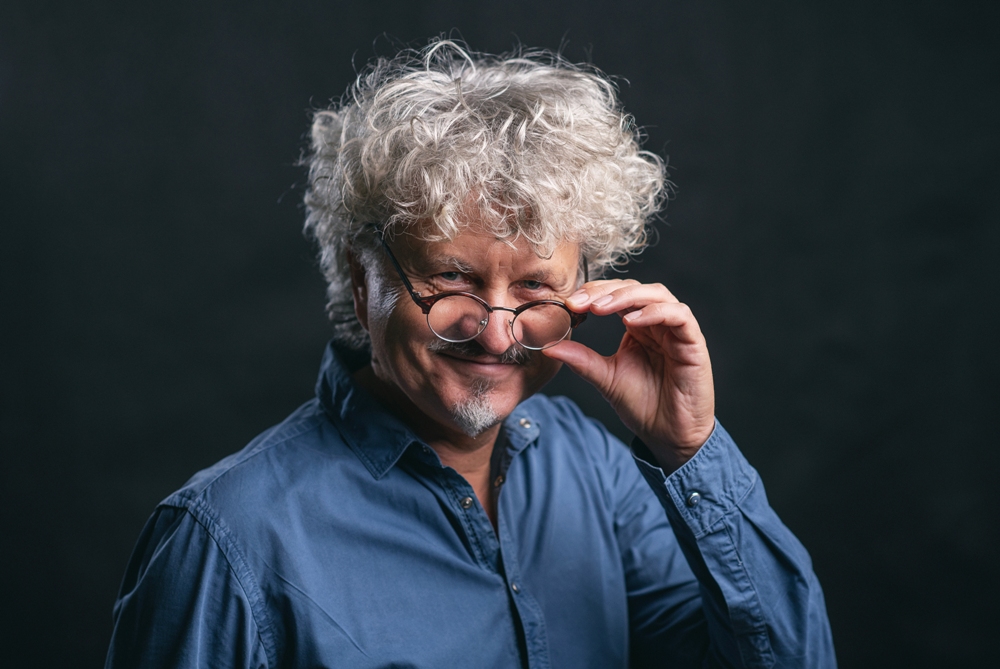
Zbigniew Nawrat
Medical University of Silesia, Katowice, POLAND
scientist, inventor, educator, visionary. A theoretical physicist by training (he graduated from the University of Silesia in 1984), he earned his Ph.D. in artificial hearts (1996, Medical University of Silesia), his habilitation in surgical robotics (2013, Medical University of Silesia), and is a professor at the Institute of Physiological Sciences, Faculty of Rehabilitation Medicine (2016). For 30 years, he worked in the Department of Cardiac Surgery under Prof. Zbigniew Religa, where he laid the groundwork for the Polish artificial heart project. In 2018, he returned to the Department of Biophysics at the Medical University of Silesia (SUM). He co-founded the Institute of Heart Prostheses at the Prof. Zbigniew Religa Foundation for the Development of Cardiac Surgery (FRK). He is currently the creative director of the FRK. He is the founder (2010) and president of the International Association for Medical Robotics and the editor of the journal *MedicalRoboticsReports* (www.medicalrobots.eu). He is the lead coordinator in Poland for the European DIH HERO Robotics in Healthcare project. He is a member of the Biomechanics Commission of the Mechanics Committee of the Polish Academy of Sciences and of the Natural Sciences Commission at the Scientific Station of the Polish Academy of Arts and Sciences in Katowice. Among other roles, he serves on the Scientific Advisory Board of the journal *AI Surgery* and is a member of the Polish Association for Artificial Intelligence in Medicine.
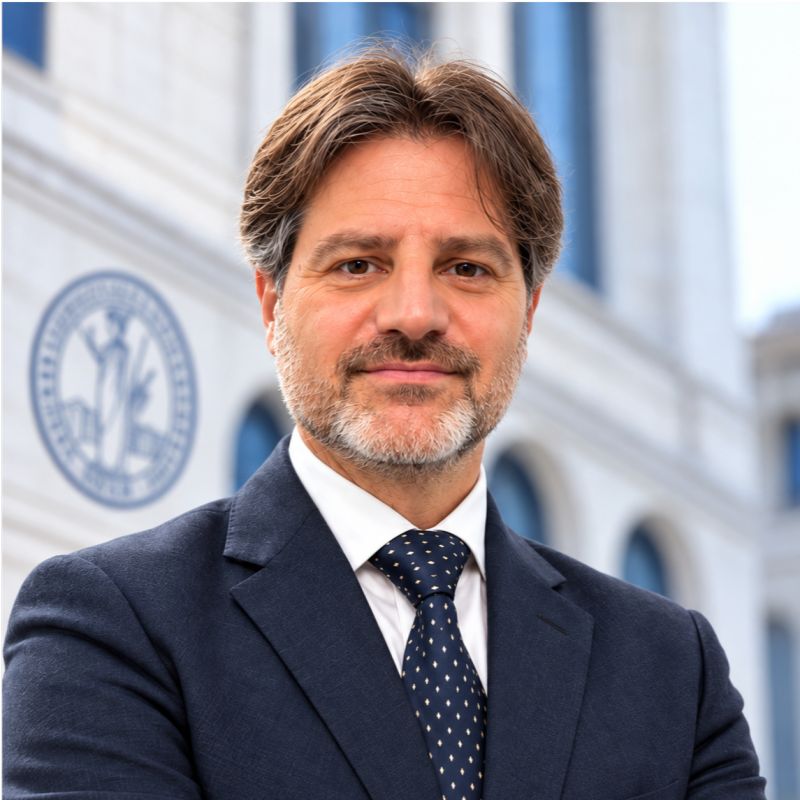
Prof. Johnny Padulo
University of Milan, Milan, Italy
Associate Professor of Sport and Exercise Sciences at the Department of Biomedical Sciences for Health, University of Milan (Italy). He holds the Italian National Scientific Habilitation as Full Professor and serves as the Rector’s Delegate for International Cooperation in Sport Sciences.
His research focuses on human locomotion, with particular interest in gait variability, running biomechanics and fatigue-related changes in movement patterns. He also works on validating wearable biosensors and on applying machine learning to injury-risk assessment. He has authored 292 indexed publications (more than 7,300 citations, h-index 47) and holds four patents. He has been listed for several consecutive years in the Stanford/Elsevier ranking of the World’s Top 2% Most-Cited Scientists.
He was elected Fellow of the European College of Sport Science in 2017 and received the Carmelo Bosco Award from the Italian Society of Motor and Sport Sciences (SISMES) in 2022. He has held visiting positions at São Paulo State University (UNESP, Brazil) and the University of Split (Croatia). He serves as an expert evaluator for the European Commission (Erasmus+ Sport, Marie Skłodowska-Curie Actions), as Associate Editor of Children (MDPI), and as a member of the CEFAR committee of NADO Italia.
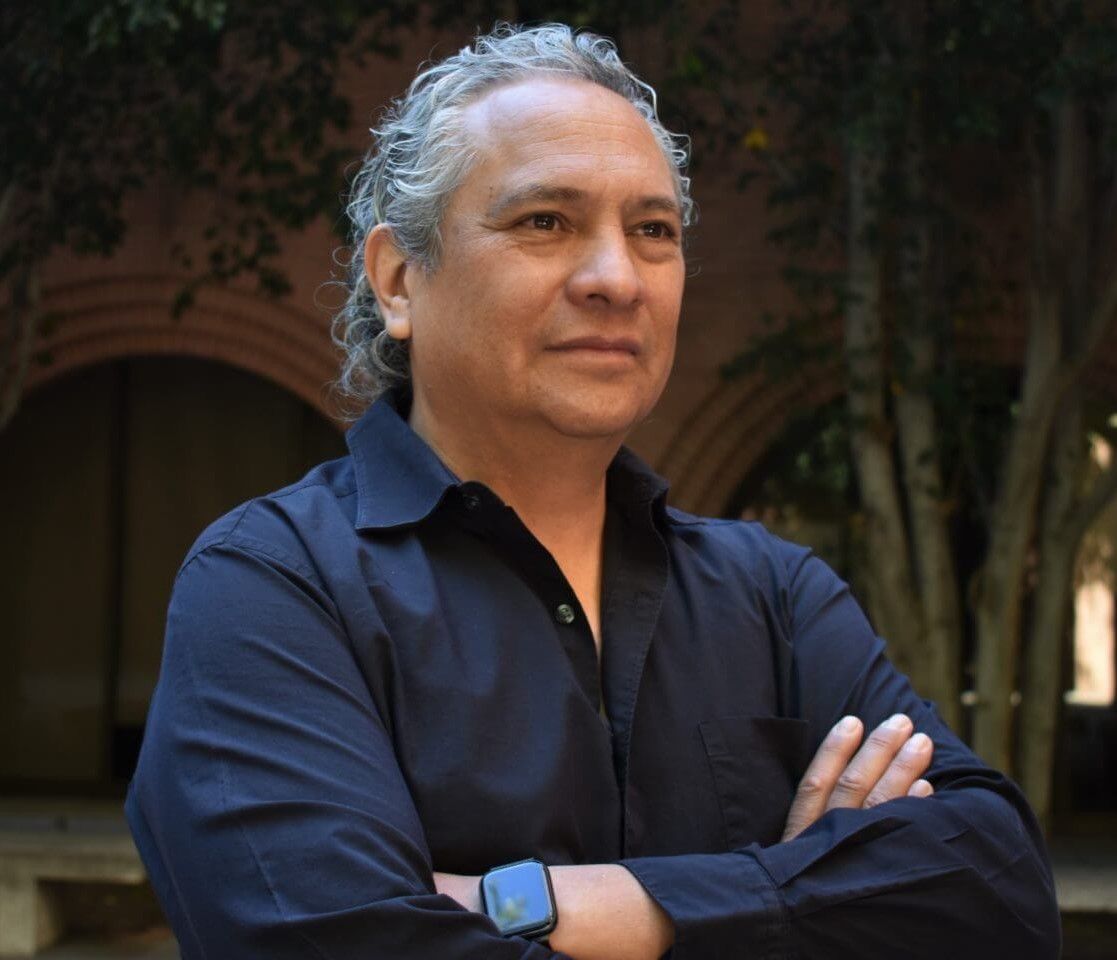
Francisco Valero-Cuevas
University of Southern California, Los Angeles, USA
He attended Swarthmore College from 1984 to 1988, where he obtained a Bachelor of Science degree in Engineering. After spending a year in the Indian subcontinent as a Thomas J. Watson Fellow, he joined Queen’s University in Ontario, where he worked with Dr. Carolyn Small. His Master’s research in Mechanical Engineering at Queen’s University focused on developing non-invasive methods for assessing the kinematic integrity of the wrist joint.
In 1991, he joined the doctoral program in the Design Division of the Department of Mechanical Engineering at Stanford University. Under the supervision of Dr. Felix Zajac, he developed a realistic biomechanical model of the human digits. This research, conducted at the Rehabilitation R&D Center in Palo Alto, focused on predicting optimal coordination patterns of finger musculature during static force production.
After completing his doctoral degree in 1997, he joined the core faculty of the Biomechanical Engineering Division at Stanford University as a Research
Coming soon